
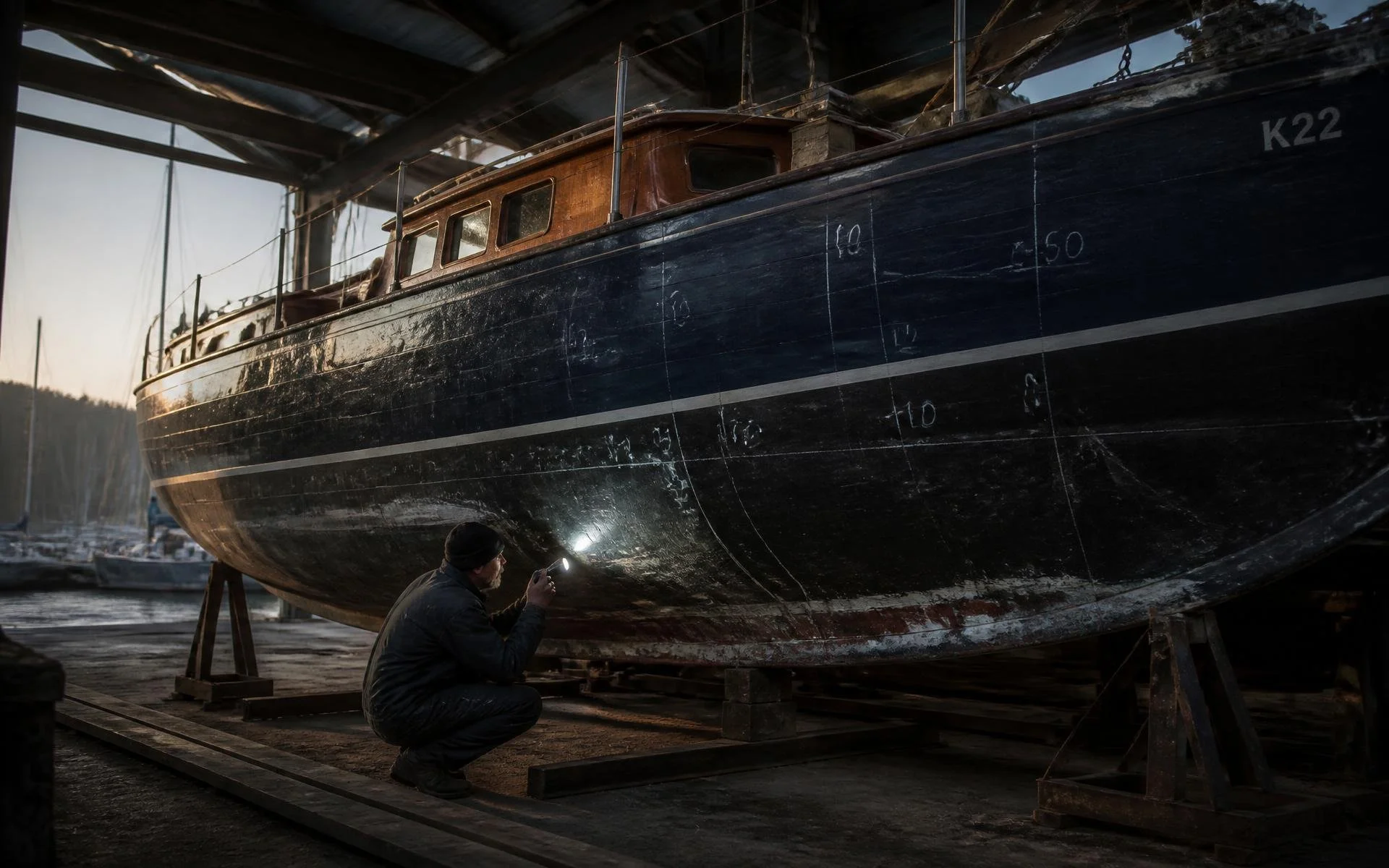
THE CASE FOR THE SHED
Why Underwood’s
Marine
A FOUNDER WHO BUILT HIS OWN OCEAN BOAT, AND A TEAM THAT FINISHES WHAT IT STARTS

Owners bring us boats they intend to keep. What they get is breadth of trade under one roof, people who stay with the vessel from strip-out to launch, and a written record of everything done to it.
The short answer
I. SIX REASONS
01
Breadth under one roof
Custom builds, restoration, repairs and refits, finishing and spray painting, scheduled maintenance and allied trades — sequenced by one workshop rather than parceled out to five.
REGISTER
Timber done properly
Carvel, clinker, cold-moulded and strip-plank work by hands that have taken enough hulls apart to know which repairs last and which merely postpone.
Records kept
Timbers, fastenings, dates and decisions are documented as the work goes on, and the record is handed over with the vessel.
03
Honest assessment
We survey before we scope and tell you what the boat actually needs, including the parts that can safely wait. Nobody is sold work to fill a bay.
06
Provenance
A line of trade running back to James Underwood's Sydney Cove shipyard of 1798 — held as a standard to work to, not a story to trade on.
04
A settled crew
The people who start your boat finish it. You meet them, and questions about a repair are answered by the hand that made it.
02
05
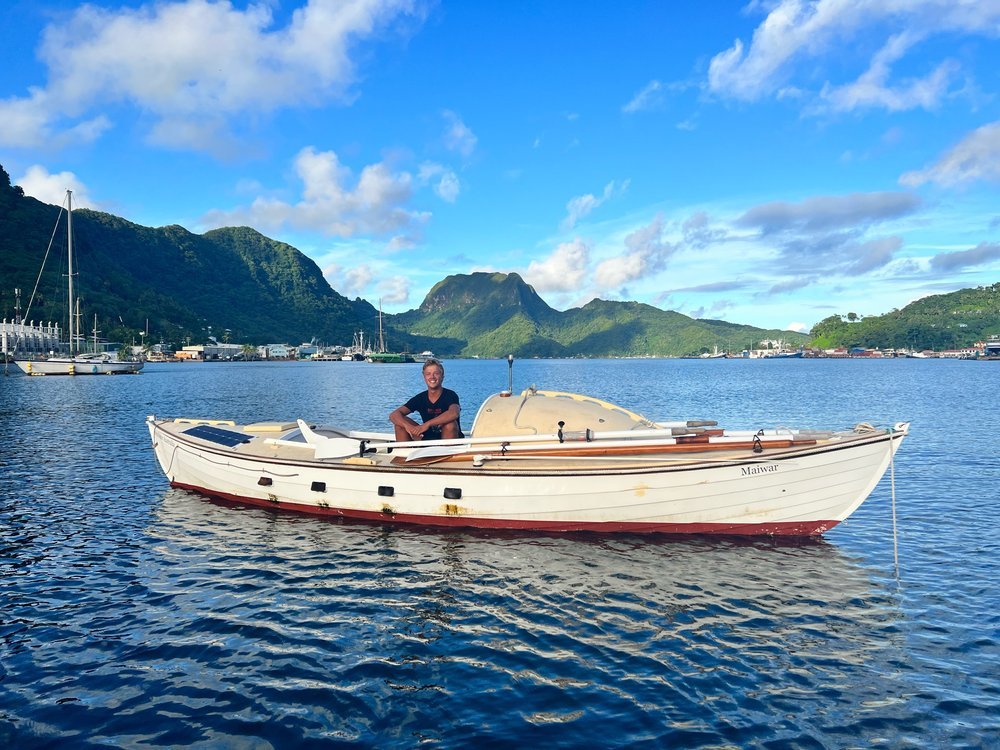
He holds the record as the youngest person to row solo across the Pacific Ocean — in a boat he built himself.
VESSEL
MAIWAR — ocean rowing boat, built by hand
PASSAGE
Solo, unassisted, across the Pacific Ocean
RECORD
Youngest person to row the Pacific solo
BEARING ON THE WORK
A boat he had to trust with his life
II. THE FOUNDER
TOM ROBINSON
Before Underwood’s Marine was a workshop with a floor and a crew, it was one young boatbuilder in a shed making a rowing boat capable of crossing an ocean. MAIWAR was drawn, laminated, planked, fitted out and finished by hand, then rowed alone and unassisted into the open Pacific.
Building a boat you will personally live in, thousands of miles from help, changes how you think about a fastening schedule. Every joint has a consequence you cannot delegate. That standard — build it as if you are the one going to sea in it — is the standard the shed still works to.
Tom’s role today is founder and director rather than lone craftsman. He takes the first survey, sets the scope, and stays across each programme on the floor; the work itself is carried by a team of shipwrights, boatbuilders, joiners and finishers he has assembled around that same standard.

III. THE TEAM
01
Underwood’s Marine is not one craftsman with a helper. It is a settled team who between them can take a boat from survey to launch without sending the work away.
Tom Robinson
Founder & Director
Tom founded the workshop and sets the standard it works to. He carries every enquiry from the first survey through to scope, costing and handover, and stays across each programme on the floor rather than from an office.
04
Shipwrights
Traditional structure
Frames, floors, keel and plank work in carvel and clinker construction. Time-served people who set out from the boat itself rather than from a drawing where the two disagree.
MEET THE SHED
Finishers
Paint & varnish
Fairing, filling, priming and two-pack application in the separated finishing bay, with varnish built up by hand over days. Preparation is treated as the job rather than the tidy-up.
03
Boatbuilders
New construction
Cold-moulded, strip-plank and composite builds from lofting to launch, including tenders, launches and purpose-built craft — traditional timber and modern epoxy specified where each belongs.
06
Allied Trades
Coordinated, not subcontracted away
Mechanical, rigging, electrical and trim specialists we have worked alongside for years, booked and supervised by us so the owner deals with one workshop and one programme.
Joiners
Interiors & brightwork
Cabinetry, hatches, coamings, soles and trim built at the bench and fitted to the boat, with timber selected on site so a repair reads as part of the vessel.
02
05
IV. WHAT THE TEAM HOLDS IN COMMON
EXPERIENCE
Time Served
Trade-qualified shipwrights and boatbuilders, with apprenticeship and traditional timber experience behind the modern methods.
Teaching
Apprentices work beside senior hands on real programmes. The trade only survives if it is handed on deliberately.
Continuity
The people who start a boat finish it. Crews are not rotated off a programme to fill a gap elsewhere in the shed.
Records
Everyone documents as they go — timbers, fastenings, dates and decisions — so the boat's history outlives whoever worked on it.
Breadth
Between them the team covers carvel, clinker, cold-moulded, strip-plank and composite construction, plus finishing and systems.
Accountability
Owners meet the people doing the work. Questions about a repair are answered by the hand that made it.
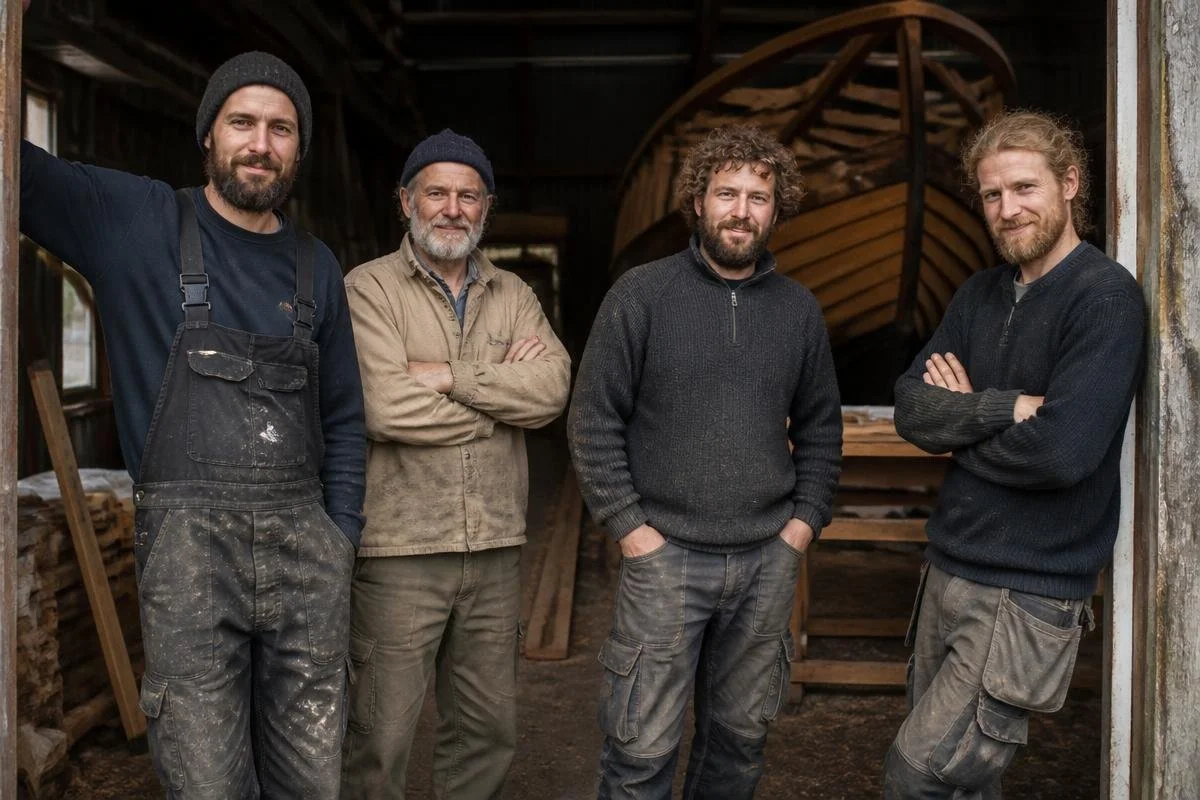
You will know who is on your boat, and you can talk to them.
Every programme is given a lead hand who stays with the vessel from strip-out to launch.
Owners are welcome in the shed to see the boat open, and questions about a repair are answered by the person who made it rather than relayed through a desk.
Reporting is staged and photographic, so if you live away from the bay you still see each phase as it is signed off — and the record is handed over with the vessel.
V. WORKING WITH THE TEAM
A FRIENDLY WORKSHOP

Are you a boat builder with a passion for wooden boats and the skills to match?
Underwood's Marine is South East Queensland's newest marine business. We're passionate about classic boats, and specialise in the repair, restoration and construction of all manner of classic boats. We're open to applications from anyone who shares our dedication and work ethic.
If you're a young person looking to get a start in the industry, you've come to the right place.
If you're a skilled tradesperson with years of wooden boat work under your belt, you've come to the right place.
Send a note on what you have worked on and what you want to get better at.
VI. JOINING THE SHED
CAREERS